
How to Optimize Content for AI-Driven Search in 2026: Strategies for Digital Marketers
Learn effective strategies to optimize your content for AI-driven search engines in 2026 and stay ahead in digital marketing.
Aug 24, 2026Read
2 min read
Introduction
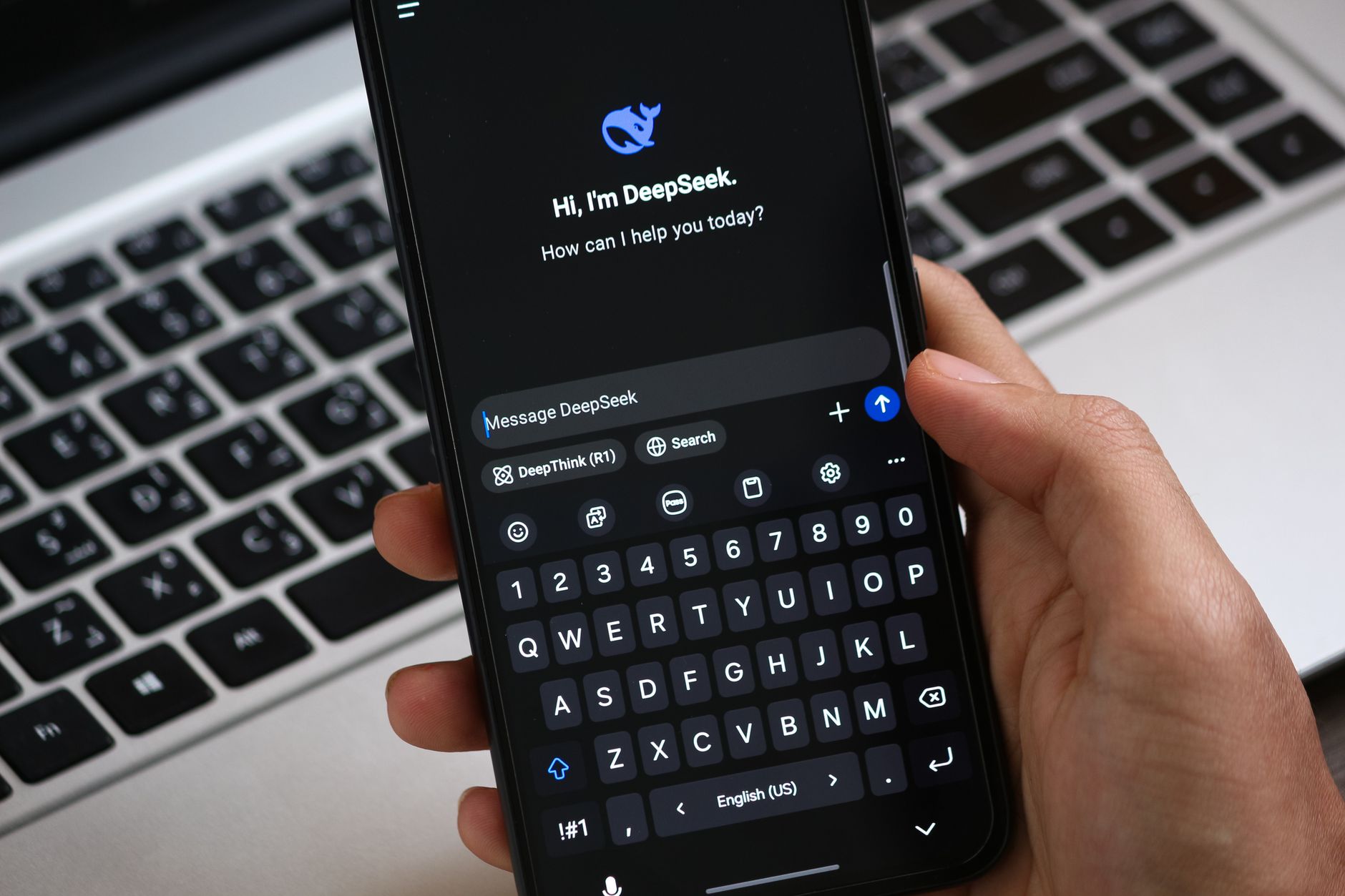
In 2026, AI-powered search engines are now the standard. To stay visible and attract engagement, your content must adapt accordingly. This guide offers practical strategies for digital marketers navigating this new landscape.
Understanding AI-Driven Search in 2026
Search engines now rely on advanced natural language processing, intent detection, and semantic analysis. They favor content that is relevant to user intent and offers high quality.
Key Strategies for Content Optimization
1. Focus on User Intent and Semantic Relevance
Create content that directly answers user questions and matches their needs. Use semantic keywords and related terms to improve relevance.
2. Use Structured Data and Schema Markup
Adding schema markup helps AI understand your content’s context, which can lead to better rich snippets and higher search visibility.
3. Optimize for Voice and Conversational Search
Include natural language keywords and conversational phrases that match how users speak and ask questions today.
4. Produce High-Quality, E-A-T Compliant Content
Make sure your content shows expertise, authority, and trustworthiness. Use credible sources and author credentials to back up your information.
5. Use AI-Ready Content Tools
Tools like Clearscope, MarketMuse, and Surfer SEO can help you refine your content for better performance with AI algorithms.
Practical Steps to Implement
- Perform thorough keyword research focused on intent and semantic relevance.
- Add schema markup to important content types such as articles, FAQs, and product pages.
- Optimize for voice search by using long-tail, conversational keywords.
- Regularly review and update your content to maintain relevance and authority.
- Use AI tools to analyze and improve your content’s performance.
Conclusion
To succeed in AI-driven search in 2026, focus on understanding user intent, semantic context, and technical optimization. Staying updated on AI tools and best practices will help your content stay competitive and easy to find.
FAQs
- Q: How important is schema markup in 2026?
- A: Very important. It helps AI understand your content’s context, which can improve search visibility and rich snippets.
- Q: Should I prioritize voice search optimization?
- A: Yes. As voice search grows, using conversational keywords makes your content easier to discover.
0 Comments